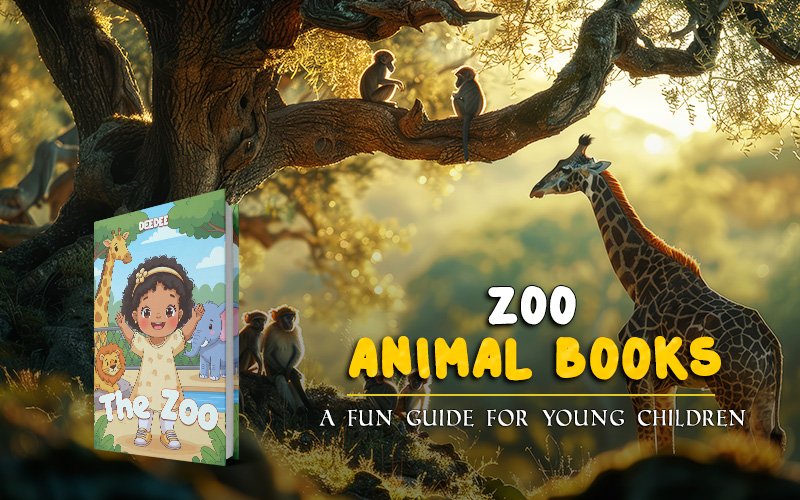
Zoo animals are wild animals cared for in zoos where children can observe them up close and learn about their habitats, behaviors, and unique features. Common zoo animals include lions, elephants, giraffes, zebras, monkeys, penguins, and bears. Learning about these animals can make a zoo visit more interesting and memorable for young children.
Ask a four-year-old what zoo animals are, and you’ll hear something like “big ones that growl.” Close enough. Lions, elephants, giraffes, zebras, and monkeys are some of the animals children may see at the zoo. Read on for who to see first and how to make it through the day without everyone melting down.
Why Kids Lose Their Minds at the Fence
Nobody warns you about the first time. Your kid sees an elephant, a real one, and goes completely quiet. Then loud. Then quiet again.
Books can’t pull that off. Neither can cartoons. Animals in a zoo have sights, sounds, smells, and movements that children don’t experience from a picture or screen. Those real-world details can make the visit especially memorable.
You’ll get questions you can’t answer. Why are flamingos pink? Do tigers get cold? Honestly, “No clue, what do you think?” can work better than always having the right answer. Open-ended questions can encourage children to think and share their ideas.
Quick thing about why some wild animals are in zoos at all. Some zoos participate in coordinated breeding and conservation programs for threatened species, sometimes working with other zoos to support healthy populations. Keepers also spend a lot of time caring for and observing the animals. Tell your child that, because it can help them see the zoo as a place to learn about and respect animals.
Who to Look For
Every park has a different lineup. Still, the types of zoo animals most children care about are pretty predictable, and the common zoo animals below are nearly always on the map.
The Cats
Male lions are known for their manes, while lionesses often do most of the hunting in the wild, which is a fun fact to mention. Tigers generally live and hunt alone, unlike lions, which live in social groups called prides. Lions and tigers also spend a lot of time resting, so if yours is flat out in the shade, don’t worry—you can always come back later. And if you hear a lion roar, that’s definitely worth stopping for.
The Big Ones
An elephant uses its trunk like a Swiss Army knife. Drinking, scratching, throwing dust over its back, and greeting other elephants. Giraffes often appear calm and slow-moving when children see them at a zoo. When one finally bends to drink, it spreads its front legs awkwardly and looks like a folding chair giving up. Kids lose it. Elephants and giraffes are great for size jokes too. How many of you would fit in there?
The Noisy Ones
Zebras look like horses in pajamas. That’s all you need to say. Baby zebras can stand and walk soon after birth, which puts a toddler’s wobbling in perspective. Monkeys can be quite active. They screech, steal food, groom each other, and sometimes seem to fall out over nothing. Zebras and monkeys are often in neighboring areas, so you get calm and loud back to back. Don’t rush it.
Odd Little Facts Worth Saying Out Loud
Long speeches lose them. One strange detail, dropped at the right moment, does the job.
- Tiger stripes appear on both their fur and skin.
- Giraffes have seven neck vertebrae, just like humans.
- An elephant’s trunk can hold several liters of water.
- Zebra stripes may help deter biting flies.
- Monkeys use facial expressions, body movements, and sounds to communicate.
Try swapping animal sounds too. You make one, your child guesses, then flip it. You’ll get stared at. Who cares? Fun zoo animal facts can be easier to remember when children get to act them out or connect them with sounds and movement.
The Story That Outlasts the Trip
The zoo closes at five. A book doesn’t. Read about animals before the visit and again after, and the whole day stays alive in your child’s head for weeks.
Vocabulary is the obvious win. Mane, trunk, habitat. A few weeks after a good book, you’ll hear those words at dinner, used slightly wrong, and it’s adorable. Attention is the sneakier one. Sitting through a whole story is hard at four, but kids will do it when they truly want to know what the lion does next.
You might also notice a few other things:
- Better questions
- Gentler hands around pets and bugs
- A bedtime habit of sitting still next to you
A short video or picture book on zoo animals for kids works as a warm-up too, so your child walks in already knowing who’s who.
Want to know more about this? Read Why Animal Books Are Great for Young Children’s Development next.
Finding One That Sticks
Go for big pictures, few words, and sounds they can shout back. The Zoo by Deedee, from Books by Deedee, is one option for little readers who like pointing and guessing. Slow down when you read it. Sometimes a child stops on one page, eyes wide, completely absorbed. That little moment is part of what makes shared reading so special.
Surviving the Day
Zoo days fall apart in a predictable order. Hungry, hot, tired. Plan around that.
Before you leave, let your child pick three animals to find first. Pack more water than seems sensible. Check feeding times online. Wear shoes you’d happily walk five miles in. And consider bringing the stroller, even if your child insists they don’t need it anymore. By afternoon, they may change their mind.
Once You’re Inside
Hit the favorites early, while energy’s still decent. Follow your child, even if that means half an hour with the monkeys and zero time at the reptile house. Keeper talks can be short and engaging, while many zoo programs for children are designed to keep young visitors interested through activities, demonstrations, or talks.
Set one rule at the gate. Animals at the zoo can be sensitive to loud noises, so no banging on glass and no tossing food. Call it being a good guest, and your child may be more likely to follow along.
The Drive Home
Ask who won. Favorite animal, that is. Ask them to walk like it. Odds are they’re asleep before the answer, which means it was a good day.
Frequently Asked Questions
Many children enjoy seeing lions, elephants, giraffes, zebras, and monkeys. Penguins and bears can also be popular favorites. When you arrive, check the zoo map and let your child choose which animals they want to see first.
There isn’t one perfect age for a first zoo visit. Babies can enjoy the colors, movement, and sounds, while toddlers around two or three may begin naming animals and copying their movements. Keep the first visit flexible and leave before your child becomes overtired.
Keep it playful. Ask simple questions, count animals, compare sizes, listen for animal sounds, or give your child a small notebook to draw what they see.