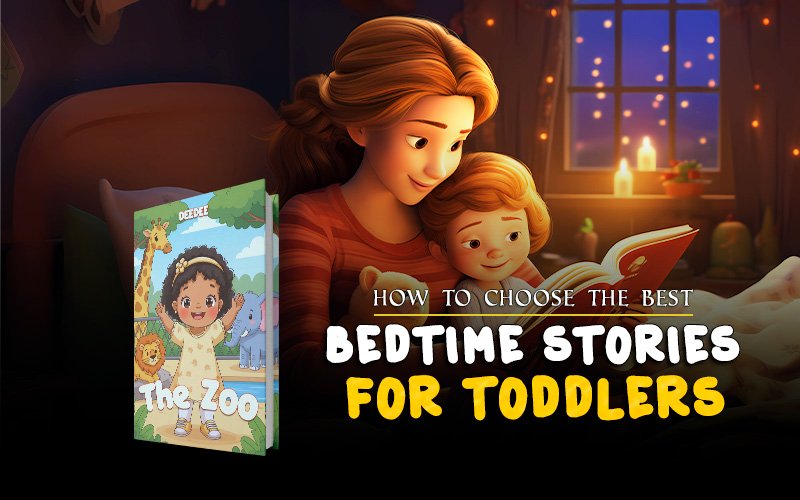
The best bedtime stories for toddlers are short, soft, and a bit repetitive, with quiet pictures and an ending that sounds like a yawn. Pick one that suits your child’s age, read it at the same hour every night, and drop your voice low. Here’s what to look for when choosing a bedtime story for your toddler.
The 7:45 Problem
Bath’s done. Pajamas are on. And your toddler has somehow found a second wind, sprinting laps around the couch like it’s noon.
A book can help your toddler settle down. The wrong one may make it harder. Anything loud, busy, or full of surprises can leave them too excited to wind down.
Choosing toddler bedtime stories comes down to how a book feels, not how famous it is. Slow words, a soft last page, the same page turn as last night. That’s what tells a small brain the day is finished. It’s one small piece of any toddler sleep routine, but it’s often the piece holding the rest together.
What Actually Works at Night
Short Beats Pretty
Choose short bedtime stories for toddlers that hold your child’s attention.Ten pages. Maybe twelve. Two lines each. Two lines each. A long picture book at 7:30 is basically a wrestling match with illustrations, and you will lose.
Same Words, Again
Repetitive storybooks sound boring to you. To a two year old they’re magic. The same line comes back, and they get to yell it before you can. A tired brain loves knowing what’s next. You’ll have the thing memorized by Thursday, which, annoyingly, means it’s working.
Quiet Stories Only
Stick with gentle story themes. Animals tucking in. The moon is coming up. A house going dark one window at a time. Skip chases, monsters, anything where somebody gets lost. Calming bedtime stories toddlers actually ask for tend to end with a character already asleep.
Quick check before you buy:
- Soft colors, pages that aren’t crowded
- Short sentences, steady rhythm
- A quiet ending, ideally with sleep
- Sturdy pages, because they will chew them
- No sound buttons or flashing lights
Does Age Matter?
Yes, more than you’d think. Age appropriate bedtime stories get read. The rest get thrown across the room.
Around Age One
Your baby treats the book as a toy. They’ll chew it, slap it, and turn six pages at once. Get chunky board books with one big picture per page. If you reach page two, call it a win.
Two and Three
Now come the questions. Why is the moon out? Where did the cow go? Picture books toddlers love at this stage have bold, clear images and a tiny story with a real ending. Three-year-olds are also stalling experts, so a short book with a firm last page keeps you in charge. And all that nightly reading quietly builds early language development. Every evening adds a few words and a bit more rhythm.
Make It a Routine, Not an Event
A bedtime reading routine only works if it’s boring. Same order. Same time. Roughly the same length. That’s the whole trick.
The Order
Here’s a simple version:
- Bath, pajamas
- Teeth, sip of water
- Lights low, one cozy spot
- One book, two at most
- Song or cuddle
- Lights out
Resist book number three. That’s how ten minutes becomes forty.
The Quiet Part
Phone goes in another room. Slow down. Let your child turn the pages, even if they skip half. Parent child reading isn’t about finishing every word. It’s about being close. Some nights you’ll get through half a page, and that’s fine. Honestly, five unrushed minutes of read aloud time beats twenty distracted ones.
Where to Find Good Ones
Start at the library. Ask the children’s librarian for her best toddler bedtime books, borrow five, and see which one your kid asks for twice. That one goes on the buy list. Secondhand shops work too for toddler bedtime story books, since sturdy board books survive a lot.
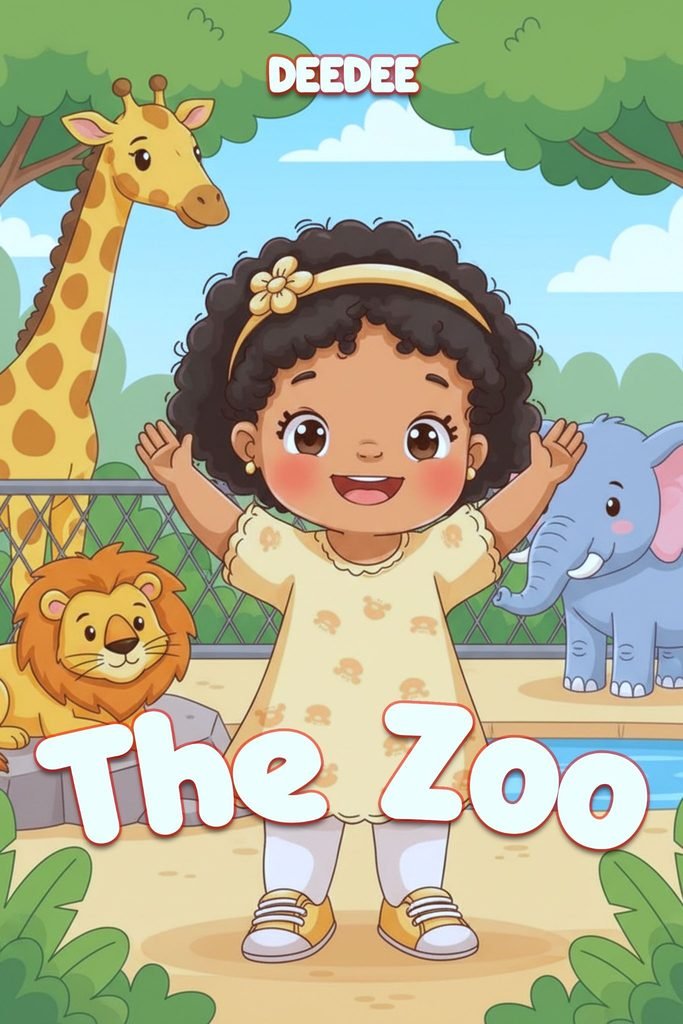
One option to try is The Zoo by Deedee from Books by Deedee. It features animal characters and short lines for young readers. If your toddler enjoys animal stories, bedtime books for toddlers with familiar characters may be worth trying as part of your bedtime routine.
Planning a daytime outing as well? Read Zoo Animals: A Fun Guide for Young Children for ideas that keep the animal theme going.
What Keeps Them Awake
Bedtime reading for toddlers goes wrong in pretty predictable ways:
- Starting too late, when everyone’s already fried
- Picking funny, exciting books because you enjoy them
- A brand new book every single night
- Reading in a bright, noisy room
- Skimming pages while checking your phone
None of it’s fatal. Fix one thing at a time.
Tonight
Keep it simple. Short book. Slow voice. Quiet last page. Then do it again tomorrow.
Frequently Asked Questions
From five to ten minutes will do. This means one or two books only. If your child begins squirming and turns his head away from you, finish then and go for a shorter story tomorrow.
Absolutely, and it’s even preferable. Stories that are familiar provide a sense of security, and the repetition of words will help them learn them more quickly. Introduce a new story from time to time, but don’t forget the old favorites.
Start with one small board book, let your child hold it, and read together while they sit beside you or get comfortable in bed . Sitting through a book is a learned behavior, one that comes with time.