Animal books can support young children’s development by introducing new vocabulary, encouraging curiosity, strengthening listening and storytelling skills, and helping children explore emotions through engaging characters and pictures. When parents read these books aloud and talk about the story, children get opportunities to practice language and connect new ideas with the world around them. You’ve probably seen this at home already. Turn to a page with an elephant on it and your toddler’s suddenly pointing, making noises, trying to copy the sound. Animal characters can make stories feel familiar and engaging, giving young children an easy way to connect with new words and ideas. So what’s going on exactly when your child sits with one of these books? Let’s get into it.
What Draws Kids to These Stories in the First Place
Think back to when you were a kid yourself. A goofy puppy or a sneaky fox character can be easier for a three-year-old to understand and relate to than a story centered on adult experiences. Animal characters can also give children a simple way to explore feelings such as excitement, fear, and friendship. Bright illustrations and familiar animal characters can make story time more engaging for young children.
Reading Skills Start Earlier Than You’d Expect
Repetition’s doing most of the heavy lifting here if we’re being honest. Animal sounds, rhyme, same-page pattern showing up again and again. None of it feels like “learning” to a toddler, but it’s quietly building the groundwork for what comes later. Kids get that words carry meaning way before they can sound one out on their own.
New Words Stick When There’s a Face Attached
Notice this, too. A child hears “burrow” in a rabbit story and may start to remember it more easily when the word is connected to a character they already enjoy. The same can happen with words like “herd” or “nocturnal.” Connecting a new word to an engaging character can give children a more meaningful context for learning it than memorizing words in isolation. One reason educational animal books can be useful is that they introduce new vocabulary without making reading feel like a lesson.
What’s Actually Happening Developmentally
There’s more going on during a five-minute bedtime read than people usually think. Some stuff worth knowing:
- Engaging illustrations and familiar characters can help hold a young child’s attention during shared reading.
- Children can begin exploring emotions like fear or excitement through animal characters and the situations they experience in stories.
- Following a story can give children practice with sequencing events and remembering what happened.
- Curiosity about how animals live can turn into curiosity about the world around them, sometimes without you even trying
- Repeated reading can give children opportunities to hear familiar words, anticipate what comes next, and participate more actively in the story.
None of this needs a lesson plan or flashcards. Just happens while flipping pages; half the time, neither of you even notices.
Matching the Book to Where Your Child Actually Is
Not every book works for every age,obviously. Nobody expects a one-year-old to sit through a full plot with a beginning and an end.
If You’ve Got a Toddler at Home
Board books, that’s your move: thick pages, big simple pictures, not much text to get through. Dogs, cows, stuff like that land better than something exotic at this age, mostly because your toddler’s already got some idea what those are. Animal books for toddlers usually work best sticking to creatures your child already recognizes from daily life.
Once Preschool Hits
Things loosen up a bit. Your kid can handle slightly longer stories now, and that’s usually around when wild animals and zoo animals start taking over, mostly because they’re a bit mysterious compared to the neighbor’s dog. Animal books for preschoolers tend to lean into that curiosity, mixing in more plot than a board book ever could.
Why Zoo Animals Get Kids So Worked Up
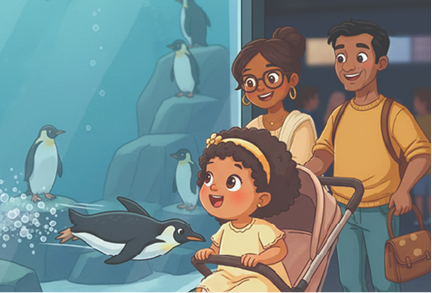
Ever take your kid to the zoo and then hear about nothing but giraffes for two weeks straight? That’s the pull of something unfamiliar. Animals your kid doesn’t run into on a normal day stretch their imagination in a way a story about the house cat just can’t really match.
A good children’s picture book brings that same wonder home, minus the ticket price.
Turning Story Time Into a Mini Nature Lesson
It doesn’t need to feel like school to sneak learning into story time. Ask something simple while reading: What sound does that animal make? Where does it sleep? Questions like these can keep your child thinking without turning reading time into homework—an easy way to bring nature learning into everyday story time.
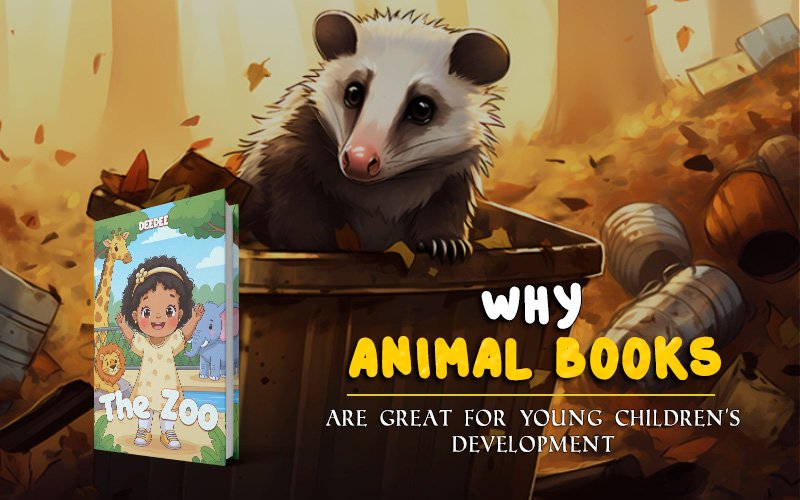
Take The Zoo by Deedee from the Books by Deedee collection as one example. The book introduces young readers to a variety of animal characters in a way that encourages curiosity from page to page. It can also give children a fun way to connect what they read with a real-life zoo visit, making it a natural choice for families looking for books about animals.
A Few Things That Make Read Aloud Time Work Better
Reading aloud is about more than just reaching the last page. Do it right,and it turns into something your kid actually looks forward to. This kind of groundwork builds naturally once reading becomes part of your daily routine together.
- Give each animal its own silly voice; it doesn’t matter how ridiculous it sounds.
- Stop every now and then, ask what happens next
- Let your kid point stuff out in pictures instead of rushing through
- If they want the same book fifty nights straight, just let it happen
- Cut the session short if they’re getting restless; no prize for finishing in one go
Wrapping This Up
You don’t need a massive collection to make a difference here. A handful of good animal stories for kids can shape how your child talks, thinks, and feels about the world around them. Whether you’re after the best animal books for a toddler or something with more depth for a preschooler, the same idea applies: keep it playful, keep it consistent, let your kid’s curiosity carry most of it.
Frequently Asked Questions
You can start reading animal books from infancy. Board books with simple pictures work well for babies, while toddlers and preschoolers can gradually move to longer stories with more detailed illustrations and plots.
Yeah, they do. Repetition and rhythm in most animal books for children quietly build reading development, even when it doesn’t look like anything’s being “learned” at the moment.
Honestly, neither wins over the other. Pets feel familiar and comforting. Wild and zoo animals spark curiosity about stuff outside your kid’s everyday world. A mix of both usually works out best.